

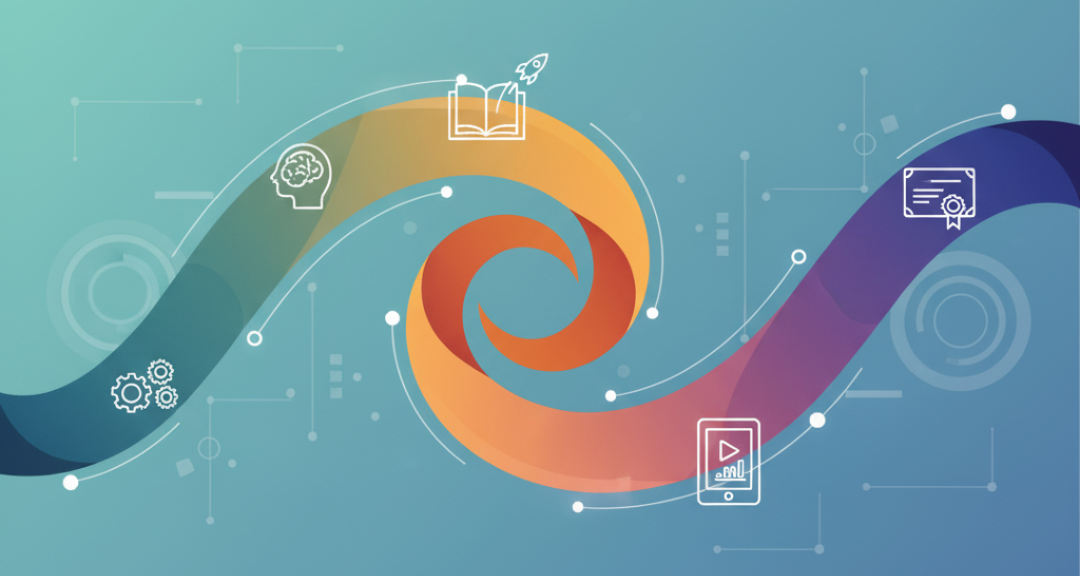
Learning doesn’t stop once you leave the classroom. Today, it continues at work, at home, and online. A big part of this shift comes from Learning Management Systems (LMS)—platforms that help organizations train people, track progress, and make learning easier for everyone.
But to really get the best out of an LMS, you need to understand the learning lifecycle. It’s basically the full journey a learner goes through in the system, from the first login to applying new skills in real life. When you see it as a cycle instead of a one-time event, learning becomes more effective and long-lasting.
What Exactly Is the Learning Lifecycle?
Every learner starts somewhere—often with little or no knowledge of the subject. Along the way, they face challenges, absorb new information, practice what they’ve learned, and eventually reach the point where they can confidently apply those skills in the real world.
Inside an LMS, this journey is easier to see because every step is structured and trackable. It begins with identifying the learning need, like improving technical skills or meeting compliance standards. Then it moves into course creation, enrollment, and active participation. After that, learners are assessed to measure understanding, rewarded with recognition, and encouraged to put their skills into practice.
Why Need a Learning Lifecycle?
Without a clear process, training often feels random. Some people finish courses, others drop out, and managers are left wondering if it was worth the time and money. A well-managed lifecycle fixes that. It gives learning structure, makes progress easy to track, and proves whether training is really working.
And the numbers back it up. Research.com reports that companies with strong learning cultures are 92% more innovative and 52% more productive than those without one. Clearly, a strong training cycle isn’t just nice to have—it’s a game-changer.
The Main Stages of the Learning Lifecycle
The lifecycle moves through a few key steps. Here’s how it usually works inside an LMS:
1. Spotting the Need
First, you figure out what skills or knowledge are missing. Maybe your sales team needs negotiation training or your staff needs an update on compliance rules.
2. Building the Course
Once the need is clear, training content is created. In an LMS, this might be videos, step-by-step guides, or even quick quizzes. The goal is to make it simple and engaging.
3. Enrolling Learners
Now it’s time to invite people in. Modern LMS platforms make this easy with automated enrollment and learning paths that feel personal.
4. Learning in Action
This is where the fun happens. Learners watch, read, practice, and interact. Features like gamification, progress tracking, or even discussion boards keep them involved.
5. Checking Progress
At this stage, learners test their knowledge with quizzes, projects, or assignments. The LMS records results so both the learner and trainer can see where things are going well—or where a little more practice is needed.
6. Recognizing Achievements
When a learner finishes, they often get a certificate or badge. This might sound small, but recognition keeps motivation high.
7. Putting It Into Practice
Training is only useful if people apply it. For example, someone trained in customer service should start using those new skills during calls with clients.
8. Improving the Process
The cycle doesn’t end after one course. Feedback and performance data shape the next round of training, making each program better than the last.
How an LMS Keeps It All Together
An LMS acts as the glue. It supports every stage of the cycle, from sending reminders about deadlines to showing managers detailed reports. Without the system, tracking all of this manually would take endless time and effort.
Why Managing the Lifecycle Pays Off
Getting the cycle right has some clear wins. Learners stay engaged, training feels smoother, and managers can finally see results in black and white. Even better, organizations know their investment in training is actually paying off.
A Brandon Hall Group study found that companies using LMS platforms see a 42% higher employee retention rate after training compared to those without structured systems. That’s proof that the cycle makes a real difference.
A Closer Look at Key Parts
Personalization Matters
Not everyone learns the same way. LMS platforms let you personalize courses so people get the content that fits their role and pace.
Data Drives Decisions
Reports and analytics give managers a clear view of what’s working and what isn’t. That means less guessing and more action.
Engagement Keeps Learners Going
Interactive videos, leaderboards, or even mobile access turn boring training into something learners actually want to complete.
Growth Never Stops
The best part of the lifecycle is that it creates a culture of continuous learning. People don’t just “finish a course”—they keep growing.
Conclusion
Understanding the learning lifecycle in an LMS helps organizations deliver effective training and learning experiences. It gives structure, tracks progress, and ensures that learners don’t just take courses but actually apply what they learn. Whether you’re a school, a business, or a training provider, embracing the lifecycle will improve outcomes and drive growth.